
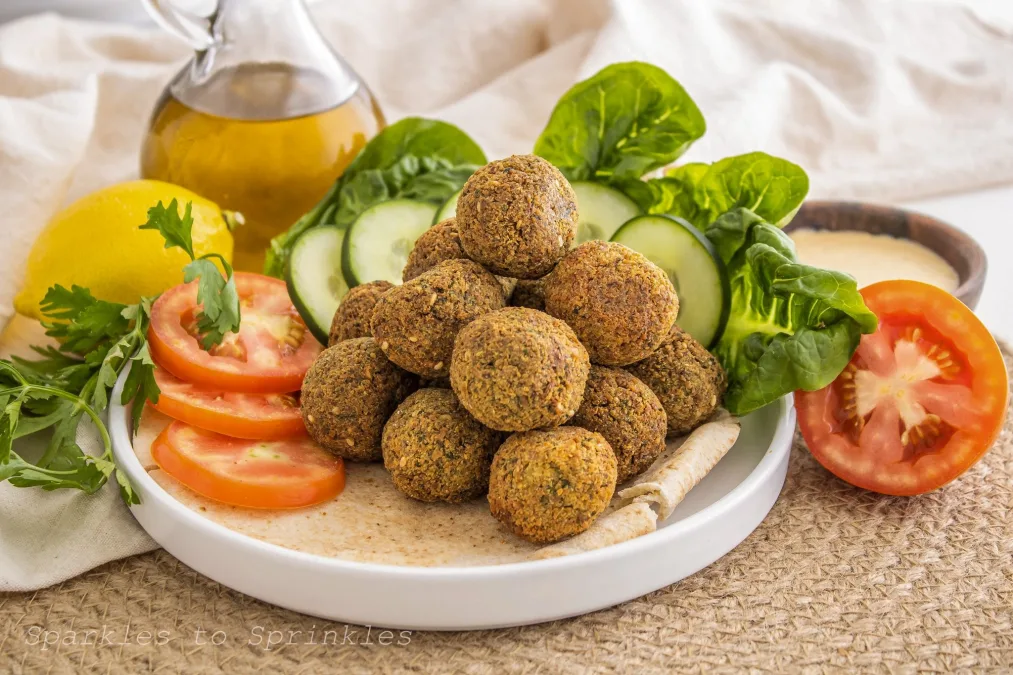
Falafel
Deep-fried balls made from ground chickpeas, herbs, and spices.
Ingredients
- •Chickpeas
- •Onions
- •Garlic
- •Parsley
- •Cumin
- •Coriander
- •Flour
- •Baking soda
- •Salt
- •Pepper
Instructions
Soak Chickpeas
Soak dried chickpeas overnight
Grind Ingredients
Process chickpeas with herbs and spices
Form Balls
Shape mixture into small balls
Fry
Deep fry until golden brown
Serve
Serve hot with tahini sauce
Falafel is a beloved Middle Eastern dish that has become a global street food sensation. These delightfully crispy balls or patties are made from ground chickpeas mixed with aromatic herbs and spices, then deep-fried to golden perfection. While their origins are debated, falafel has become an integral part of Jordanian cuisine and is often considered the ultimate vegetarian fast food in the region.
The history of falafel dates back thousands of years, with some food historians believing it originated in Egypt with the Coptic Christians who ate it as a meat-free option during Lent. The dish then spread throughout the Levant region, including Jordan, where it became a popular breakfast item and street food staple. Each region developed its own variations, with Jordan particularly known for its perfectly spiced and expertly crafted falafel.
Making authentic Jordanian falafel requires patience and technique. The process begins with soaking dried chickpeas overnight - never use canned chickpeas as they'll make the falafel too wet and likely to fall apart during frying. The chickpeas are then ground with fresh herbs like parsley and cilantro, aromatic spices including cumin and coriander, and plenty of garlic and onions. The mixture is formed into small balls or patties and deep-fried until crispy on the outside while remaining tender and fluffy inside.
While traditional falafel is made with chickpeas, some variations use fava beans or a combination of both. Modern adaptations might include additional spices like cardamom or cayenne for extra heat, or ingredients like sesame seeds coating the outside for added crunch. Some health-conscious cooks have experimented with baking falafel instead of frying, though traditionalists maintain that deep-frying is essential for authentic texture and taste.
In Jordan, falafel is typically served in several ways: stuffed in fresh pita bread with tomatoes, pickles, and tahini sauce; as part of a mezze platter alongside hummus and tabbouleh; or simply on its own as a snack with tahini sauce for dipping. It's especially popular for breakfast, where you'll find locals gathering at falafel stands starting early in the morning.
From a nutritional standpoint, falafel can be a healthy option, particularly for vegetarians and vegans, as it's rich in protein, fiber, and complex carbohydrates. However, being deep-fried means it can be high in calories and fat, so those watching their fat intake might want to limit their portions. The dish is naturally vegan and gluten-free (though some recipes may add flour as a binder), but those with nut allergies should be careful as some variations include ground nuts. When served fresh and hot, falafel should be crispy on the outside, never greasy, and light and fluffy on the inside - these are the marks of perfectly made Jordanian falafel.